


Speak Out: Ending Gender-Based Violence
Speak Out is a community consultation and legal reform initiative by CLAS. We’re gathering insight from people across B.C. who have experienced or witnessed harm – especially gender-based violence (GBV) – and who may have been pressured to stay silent through non-disclosure agreements (NDAs) or other agreements.
GBV includes a wide range of harms, such as sexual harassment, assault, or abuse based on someone’s gender, sexuality, or identity. It often happens in workplaces, schools, housing, and other institutions — and it’s frequently silenced through formal or informal agreements.
About the Project
This project aims to understand how NDAs and other silencing practices are used, often after incidents of sexual harassment, assault, or workplace discrimination. Through a short, confidential survey and in-person workshops, we’re collecting community input to inform change.
Why This Work Matters
NDAs are often used to silence people after they’ve experienced harm – especially in cases of sexual harassment, assault, or workplace discrimination. Many people don’t even realize they signed one. These agreements can prevent people from speaking up, accessing support, or warning others.
We want to shift that. With your input, we can push for systems that protect the best interest of people.
Who Can Participate?
You don’t have to be sure that what happened to you “counts.” If you’ve experienced harm, silencing, or pressure to stay quiet, your voice matters. We especially want to hear from people who:
- Were pressured to sign an NDA or confidentiality agreement after experiencing harm or discrimination, especially GBV.
- Felt silenced, coerced, or shut down after speaking up, even if you’re not sure how to label what happened.
- Work or live in environments where harm or silencing is more likely (e.g. precarious jobs, student placements, tied housing).
- Or even if you just want to help change the systems that silence people — whether you’ve lived it or witnessed it.
Ways to Get Involved
Interested in helping with this work? There are a few ways you can take part in this project. Choose how you’d like to get involved:
- Learn and contribute in a supportive setting: Attend or Request a Workshop. Join our mailing list to hear about upcoming workshops.
- Note: Our confidential survey for the public is now CLOSED. Thank you to everyone who participated in the survey.
FAQs
“Gender-based violence describes any form of abuse, assault, or harassment that is based on gendered power differences. It is violence inflicted upon someone because of their gender identity, gender expression, or perceived gender” (West Coast LEAF).
GBV is violence towards someone due to their:
- Gender (roles and behaviours associated with men, women, or gender-diverse people);
- Gender expression (the ways people outwardly express their gender);
- Gender identity (someone’s internal sense of being a man, woman, neither, or both).
- For more detailed descriptions and visualizations of these terms, see:
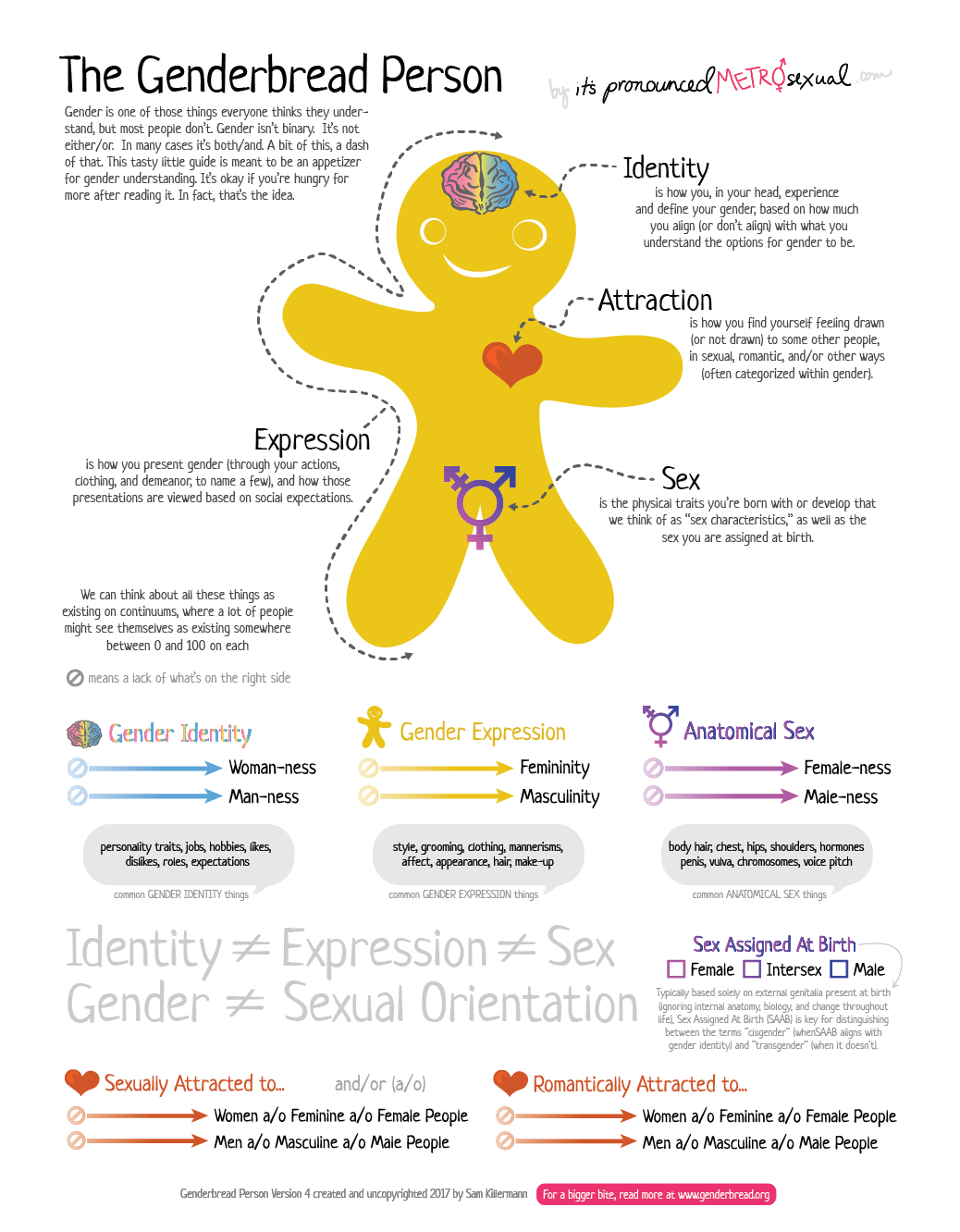
Gender-based violence is rooted in sexism, racism, homophobia, and colonialism. It mostly affects women and girls as well as Two-Spirit, trans, nonbinary and gender-nonconforming people. Indigenous women and girls are particularly targeted by GBV. Racialized women, young women, women with disabilities, women in rural communities, and LGBTQ2SIA+ people are also vulnerable.
Gender-based violence sometimes happens alongside other forms of harassment and discrimination, such as racism.
GBV includes physical violence, but also:
- Threats and intimidation;
- Humiliation;
- Online harassment/stalking;
- Sexual, psychological, or financial harm; and more.
Some examples of gender-based violence that are relevant for this project are:
- Sexual harassment;
- Workplace bullying based on gender;
- Discrimination based on gender;
- Sexual assault.
Sources: West Coast LEAF, Canadian Women’s Foundation.
- NDAs are legal documents that restrict you from sharing information with others. They are often signed as part of a settlement or during a workplace investigation. NDAs are misused in many workplaces, but also by other types of organizations. They are used by sports teams, political parties, and other associations. They seek to protect their reputation through the NDA.
- NDAs protect the abuser by silencing the complainant – usually for life. 95% of people who sign NDAs report negative mental health consequences (Speak Out Revolution).
- People are often pressured to sign NDAs under stressful time constraints. They may not understand they can refuse or negotiate something different. Know your rights before you sign. Get legal advice and see our tip sheet.
- Women are more likely than men to be asked to sign an NDA. This makes NDAs a gendered issue. Also, data suggests that racialized women in North America are disproportionately affected. In Canada and the USA, racialized women report signing NDAs at higher rates than white women (Speak Out Revolution).
- See our Quick Facts Document for more information on the problem with NDAs.
- See our campaign page for updates in the global campaign for NDA reform.
- You might be hesitant to talk to us if you:
- Are experiencing GBV in an organization;
- Are in an investigation; or
- Are being asked to sign an NDA.
- We will keep your story confidential. You don’t need to share more detail than what you are comfortable with. We will never publish or share any identifying information. We are here to listen and believe you.
- Our online survey is anonymous and contains general and specific questions. You are able to skip questions that you may have concerns about.
- You may have already signed an NDA. If you are concerned about possibly breaching it by sharing your story with us, we can help. Our lawyers can review your NDA to provide advice to you about this.
- Contact us if you if have questions or concerns or would like to speak to a lawyer.
- If you experienced sexual assault you may access free, confidential legal advice. See Stand Informed Legal Advice for more information.
- If you are seeking legal advice related to signing an NDA please contact us. We can see if we are able to assist you or provide you with referrals.
- Based on what we hear from communities, the policies might address:
- Creating a safer organization for all people;
- What to do if you encounter GBV in an organization;
- How to support someone who reports GBV, understanding people’s different needs;
- How to prevent the misuse of NDAs by an organization;
- Whether NDAs should be banned or regulated;
- What forms of NDA regulation would ensure safety and prevent further trauma to complainants.
- Our aim is that the recommendations can be:
- Used for advocacy to change how organizations respond to GBV;
- Used to support law reform to regulate NDAs; and
- Developed into tools to support individuals in reporting GBV and in regulating NDAs.
- The policy recommendations could be used in workplaces and other organizations. For example:
- Community groups;
- Activity/Recreational clubs;
- Sports teams;
- Places of worship;
- Schools, etc.
- The policy recommendations on NDAs can also be shared with government to advocate for regulating of NDAs.
Thank You to our Funder
This project has been funded through Women and Gender Equality Canada’s Women’s Program.


To contact Speak Out: Ending Gender-Based Violence:
Call: 604-673-3143 or Toll-free 1-888-685-6222
Email: [email protected]